


More than 80 years after 10,000 Japanese Americans were incarcerated at Manzanar, a restored ballfield in the Owens Valley brings the game, and their stories, back to life.
“If you build it, they will come. This time willingly.”
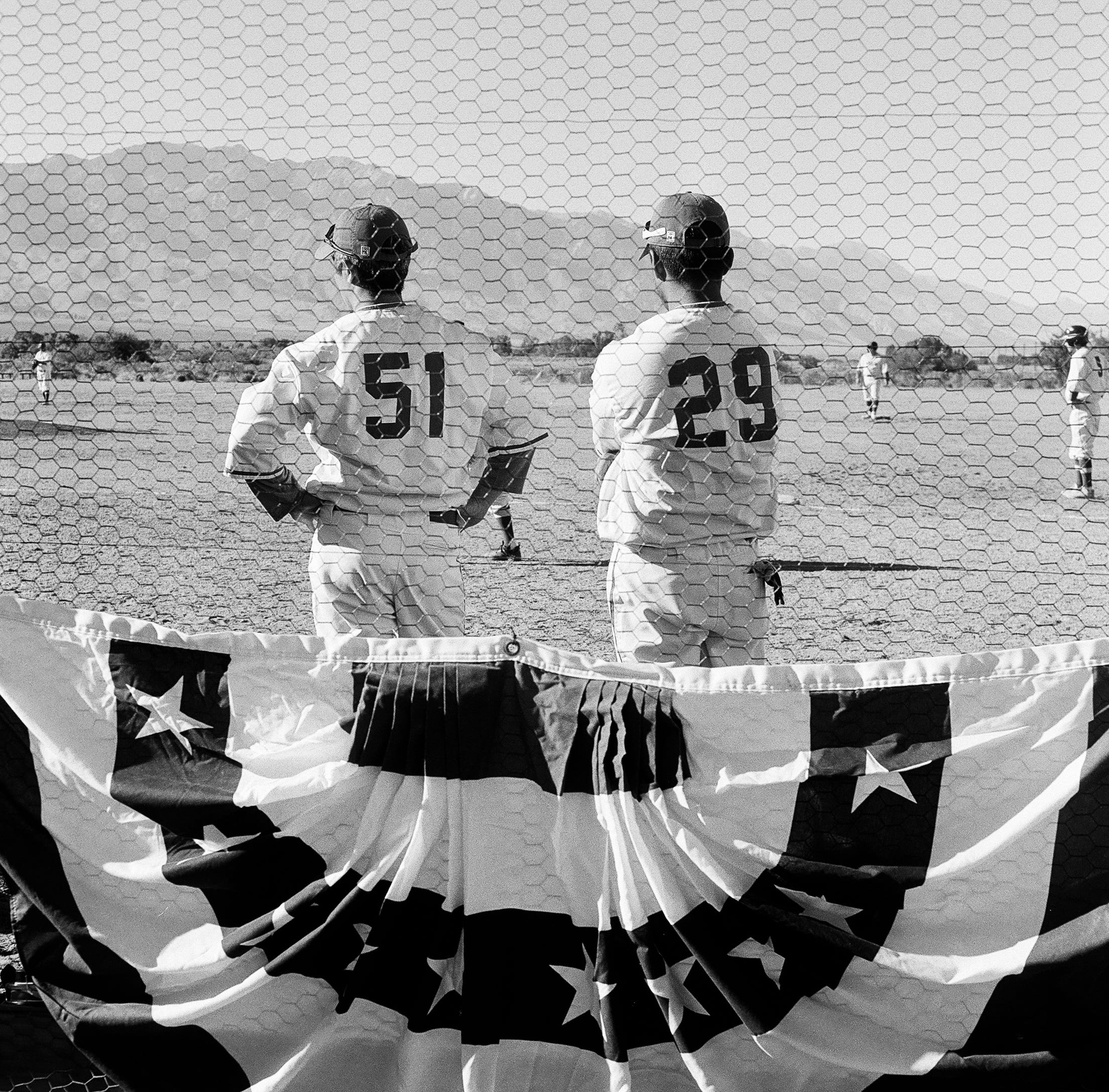
The words hung from a sign on the 1940s-era announcer’s booth as more than 500 spectators filled the sunbaked grandstand to witness the grand-opening doubleheader of the Manzanar Baseball Project. Beneath the players’ feet was the same dusty ground where, more than eight decades earlier, Japanese Americans turned to baseball for a sense of normalcy in a place filled with injustice.
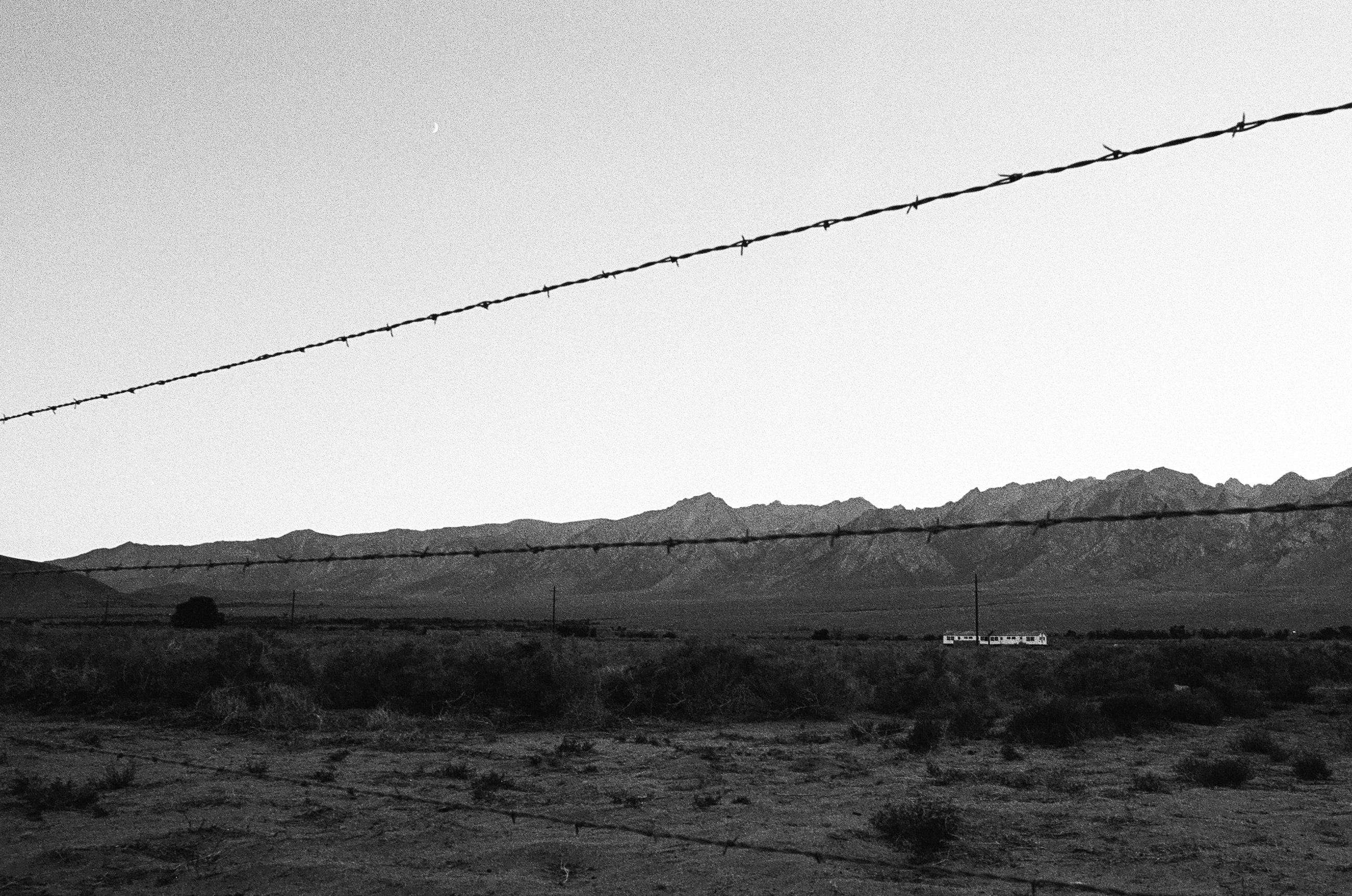
The field sits within the barbed-wire fences of the Manzanar National Historic Site, where more than 10,000 Japanese Americans were incarcerated during World War II.
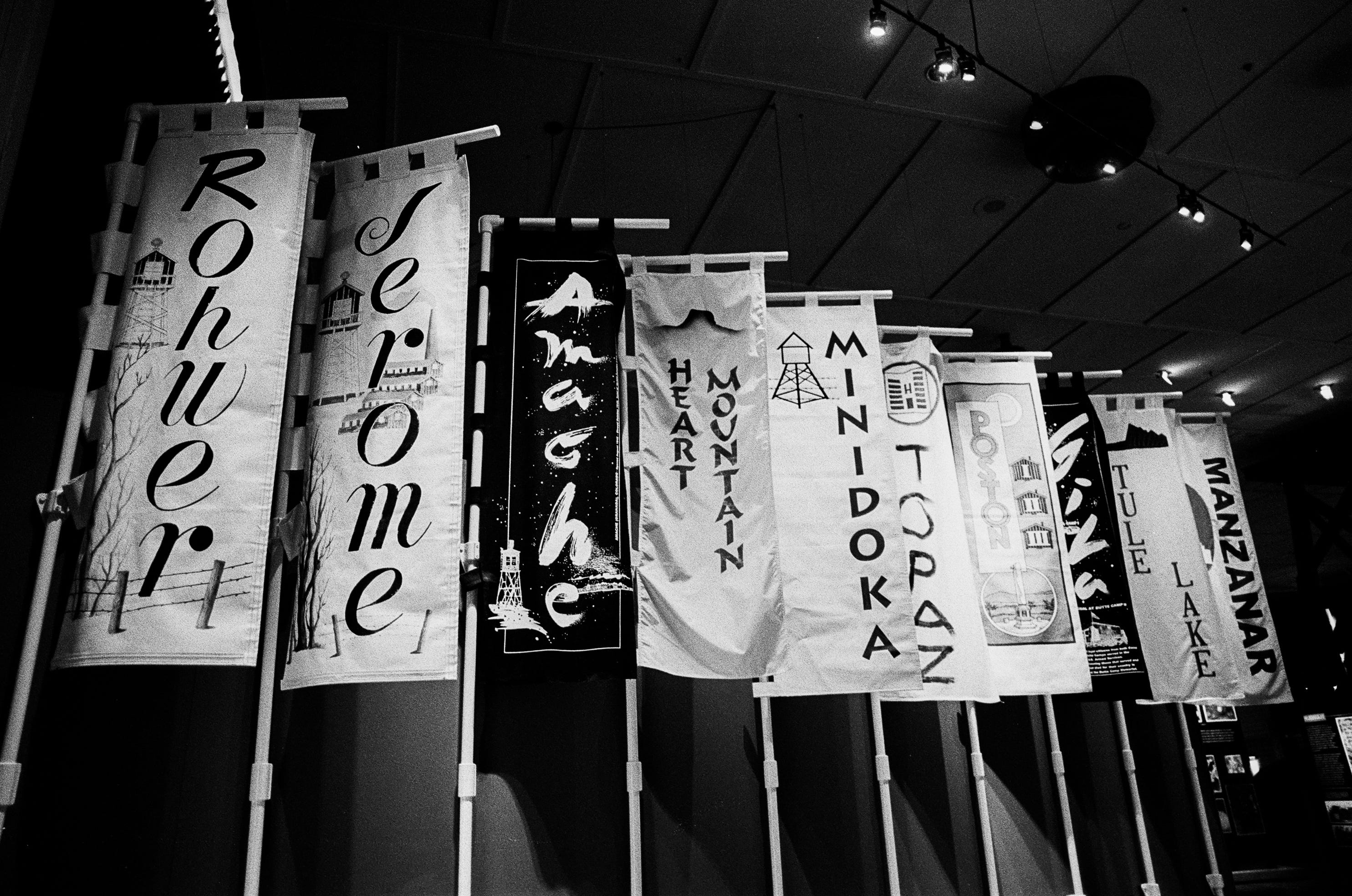
On Feb. 19, 1942, just over two months after the Empire of Japan attacked Pearl Harbor, President Franklin D. Roosevelt signed Executive Order 9066. The order paved the way for the forced removal and incarceration of over 120,000 people of Japanese ancestry from the West Coast. Families were uprooted from their homes, businesses were abandoned, and entire communities were torn apart as Japanese Americans were forced into 10 remote concentration camps scattered across Arizona, Arkansas, California, Colorado, Idaho, Utah and Wyoming.
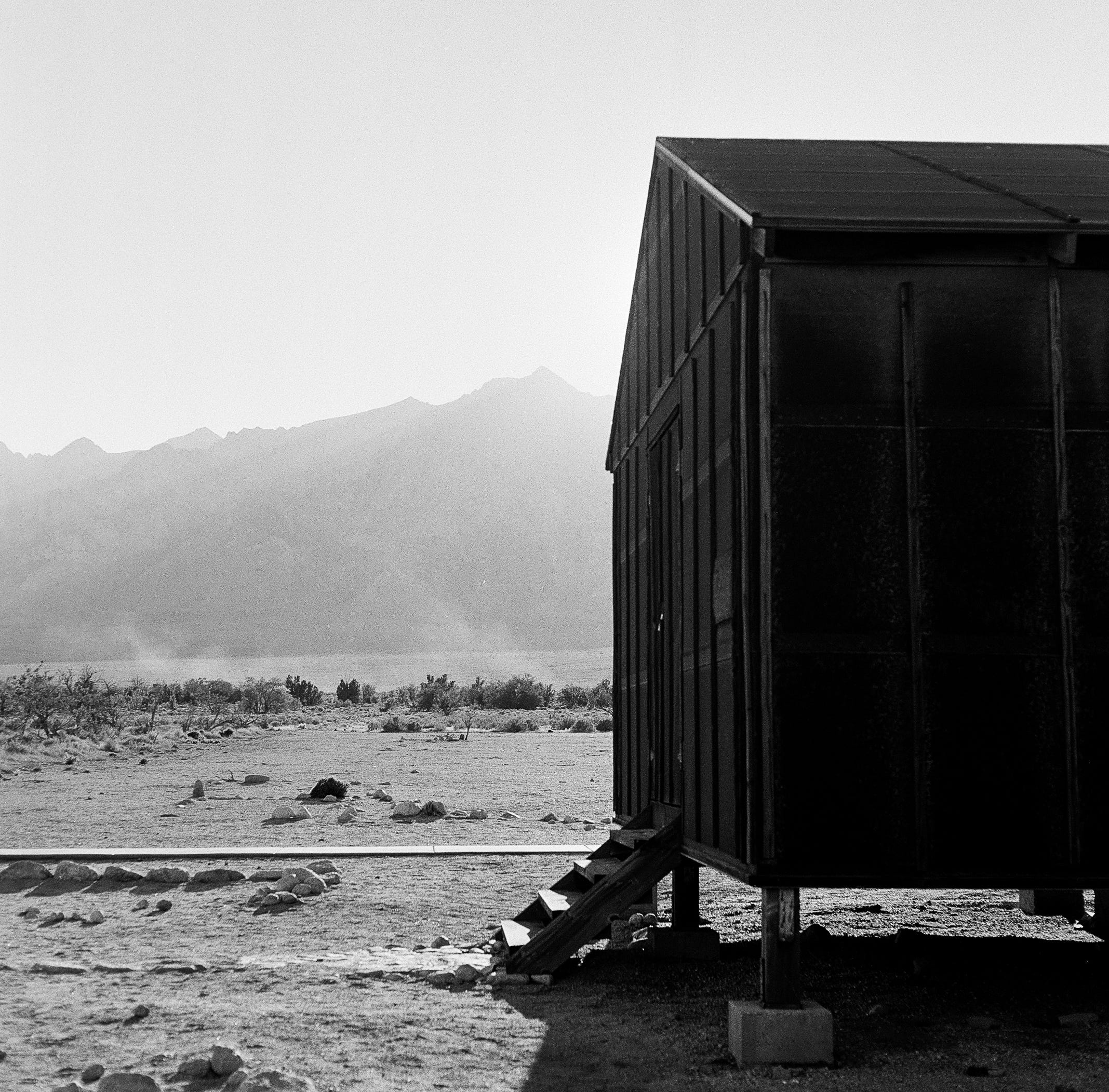
About two-thirds of those incarcerated behind barbed wire were American citizens. Their rights and freedom were stripped from them not because of anything they did, but merely because they looked like the “enemy.” Yet, despite the betrayal from the country they called their own, the people of Manzanar and the other camps refused to surrender their humanity.
They danced. They planted beautiful gardens. They built communities within the confines of barbed-wire fences and guard towers.
And they played baseball.
At the camp’s peak, more than 100 baseball and softball teams played on the dusty fields of the firebreaks. The game became something far more than a pastime. It offered a temporary escape from the uncertainty and humiliation of incarceration, a chance to reclaim a sense of identity, belonging and community. As former Manzanar incarceree Takeo Suo put it, “Wearing a baseball uniform was like wearing the American flag.”
For a community whose loyalty to the United States was being questioned simply because of their ancestry, the symbolism of baseball was profound. Baseball was more than just a game; it was an expression of an American identity that could not be taken from them.
“Manzanar reminds us of the indestructible nature of the human spirit,” said Dan Kwong, director of the Manzanar Baseball Project.
More than 80 years later, that same spirit returned to the ballfield. On Oct.17, 2026, for a few extraordinary hours, the past seemed to come alive as baseball returned to the dusty fields of Manzanar.
The scene felt as though it had been picked out of the 1989 film “Field of Dreams.” Spectators from around the country gathered as the familiar sounds of baseball echoed throughout the Owens Valley. But unlike the fictional field carved out of an Iowa cornfield, this field of dreams carried a very real and painful story.
Since 2023, Kwong has worked alongside a dedicated group of volunteers to restore the historic field. Their work was on display Oct. 17, when the players and spectators gathered to celebrate the return of the national pastime to the hallowed grounds of Manzanar.
For those in attendance, the afternoon represented far more than a reopening of a baseball field. It was an opportunity to honor the perseverance of the Japanese Americans who had once played there, to remember the injustices they endured, and to recognize the enduring power of a game that brought people together even under the most unimaginable circumstances.
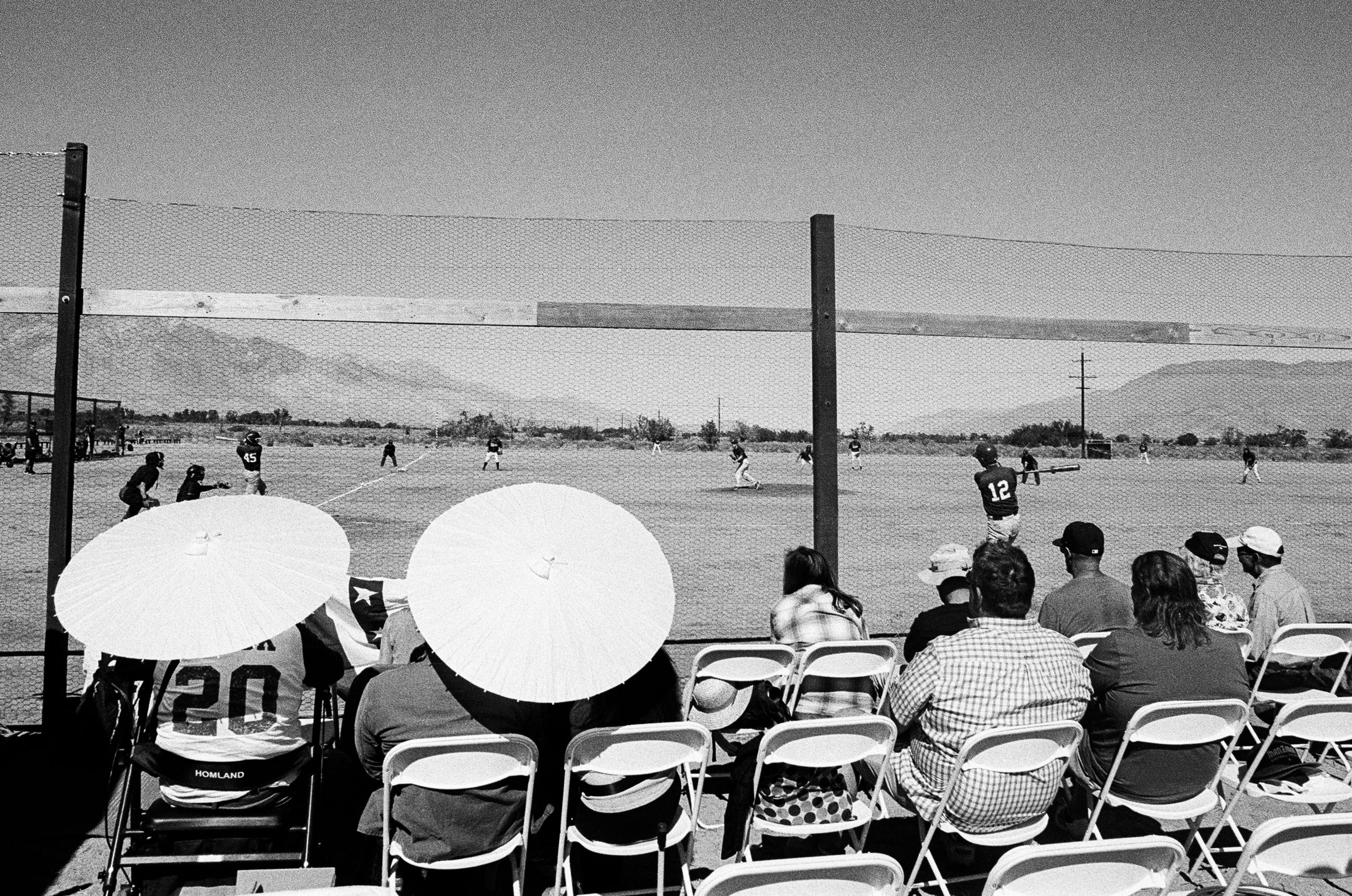
The Manzanar Baseball Project aims not only to restore Manzanar’s baseball field, but also to preserve the stories it holds: stories of families torn from their homes, of Americans denied their constitutional rights and of a community finding a way to maintain their dignity amid extraordinary hardship.
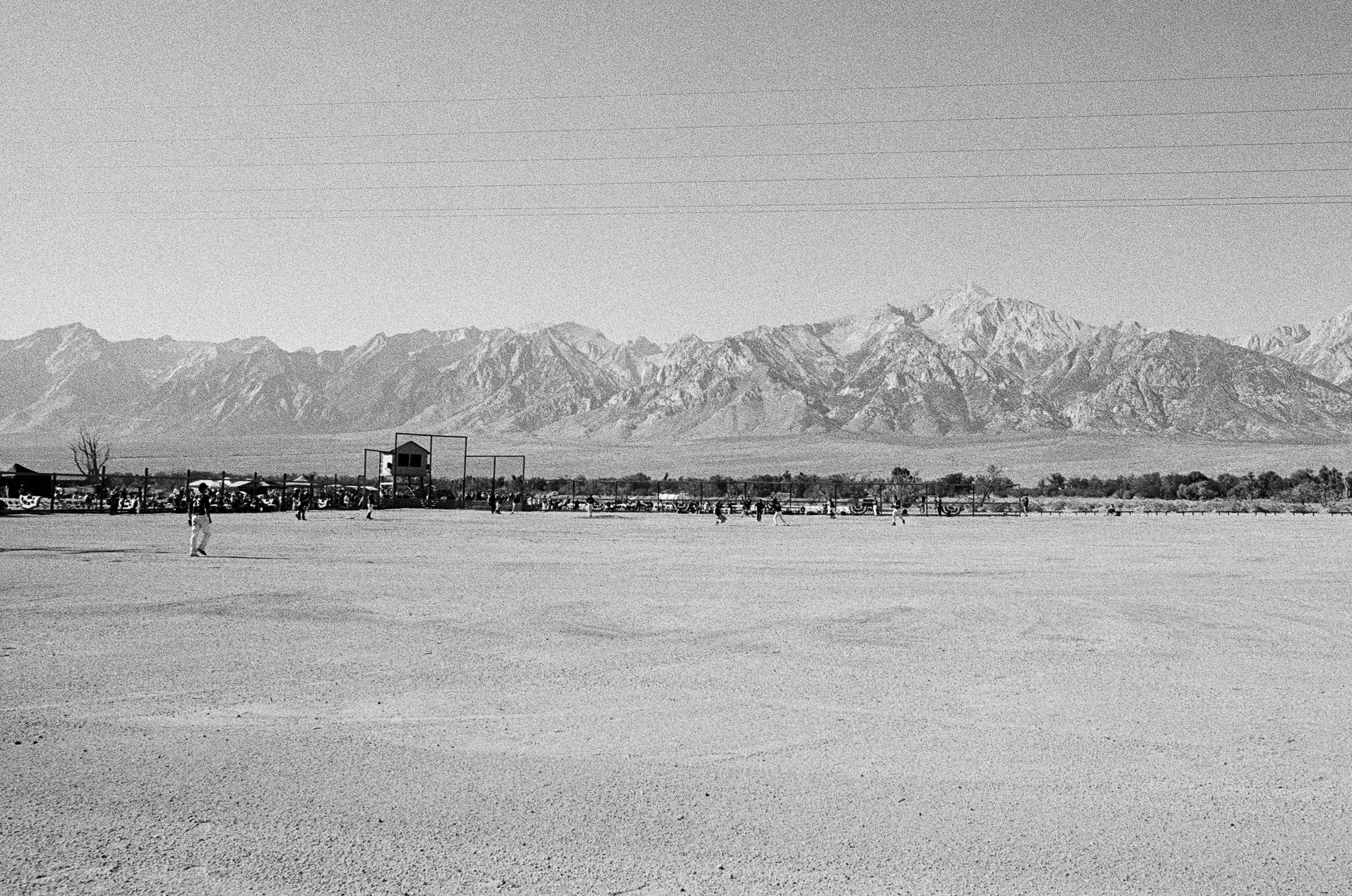
It is also a reminder of what can happen when we allow fear, racism and wartime hysteria to overshadow the values our country was built upon.
Through baseball, the project seeks to educate future generations about the incarceration of Japanese Americans and ensure that this chapter of American history is neither forgotten nor repeated.
In “Field of Dreams,” the promise was simple: “If you build it, he will come.” At Manzanar, that promise carries a deeper meaning. With every pitch, every swing and every fan who visits, the stories of those who once played behind barbed wire are given new life.
Perhaps Kwong captured the meaning of the day best:
“Humans are beautiful, flawed beings, and in the end, to be American is to be human.”


Got a story to pitch? Email us at contact@529sports.co